
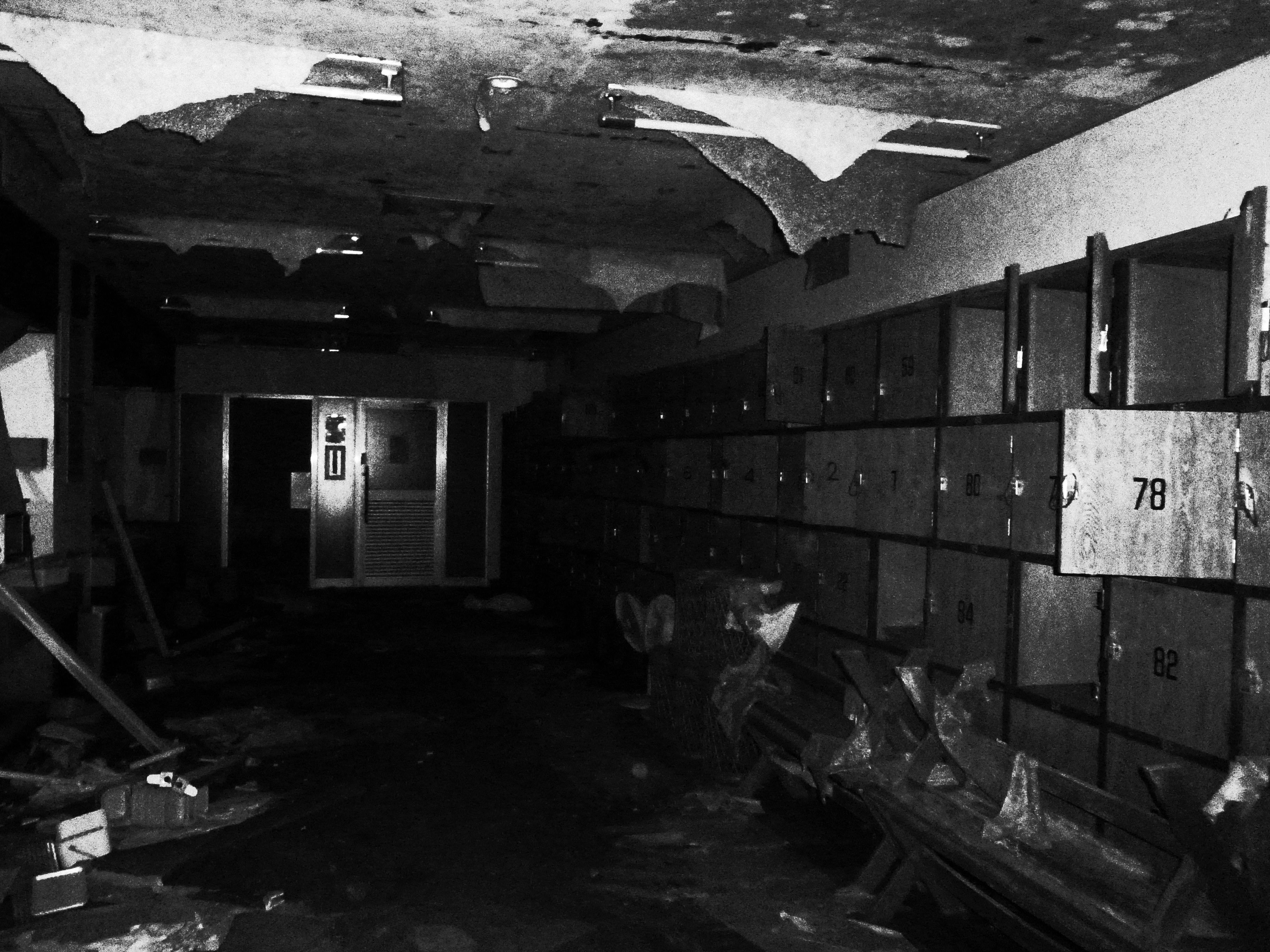
The Enigmatic Entrance
The locked room stands on the periphery of the family estate, a solitary structure that has long been a subject of fascination and speculation. Its weathered exterior, adorned with intricate carvings and remnants of once-vibrant paint, speaks of years gone by, inviting both curiosity and trepidation. The door, robust and formidable, is sealed with a heavy latch that has not been disturbed in decades, adding an air of mystery to the surroundings. The palpable silence engulfing the room creates an atmosphere that stirs the imagination—one can almost hear the whispers of the past reverberating within its walls.
Initial encounters with the entrance evoke a spectrum of emotions ranging from apprehension to yearning. Closer inspection reveals countless scratches and marks, traces of previous attempts to unveil the secrets hidden within. Family legends have flourished, each generation adding its own layer of intrigue, transforming this once ordinary space into an enigmatic entity. It is not merely a room; it is a portal to memories long forgotten, echoing the laughter, tears, and stories of those who once roamed these halls.
The history of the family intertwined with this locked space hints at tumultuous events and bittersweet moments. While the reasons for sealing the room remain a mystery, the possibility of rediscovering lost memorabilia or forgotten accounts adds to the allure. What treasures—or sorrows—could lie behind the door? The culmination of years of neglect has only intensified the allure of the locked chamber, further shrouded in tales of the lives once lived here. As the sun sets, casting long shadows across the entrance, the heart quickens, for within lies a narrative yearning to be uncovered, waiting for the courageous soul to unlock its door.
Echoes of the Past
The room in question, often referred to as the “locked room,” carries within its walls a wealth of stories and memories that speak to a time long gone. This space was once the heart of family gatherings, where laughter echoed and significant milestones were celebrated. Each family member has their unique tale tied to the room, forming a tapestry of experiences that reflect the emotional resonance of moments shared together.
For instance, it was in this room that the family celebrated birthdays, anniversaries, and other important events. The walls witnessed children growing, friendships being forged, and bonds being strengthened. Stories of holidays spent in joyous celebration are interwoven with memories of quiet evenings, where relatives would share tales of the past, fostering a deep sense of connection. However, as time passed, circumstances shifted, and the once vibrant room fell into neglect.
The decision to lock the room was not made lightly. It came with a sense of loss and an indication of grief that permeated the family history. Locked away, the room became a symbol of unresolved conflicts and memories that were too painful to revisit. The stories whispered among family members reflect feelings of nostalgia but also sorrow. Some recall the final gathering before the room was sealed, a bittersweet occasion marked by laughter that forged an indelible memory amidst a backdrop of tears.
Throughout the years, the reasons behind the room’s abandonment were multifaceted—loss of loved ones, familial disputes that tore at the fabric of the family, or perhaps a desire to preserve the sanctity of cherished memories without the intrusion of painful reminders. The locked room serves as a poignant reminder that within every space, there exists a complex narrative, filled with echoes of the past that continue to influence the present.
The Moment of Revelation
The atmosphere was thick with anticipation as the door to the long-locked room finally creaked open, revealing an interior steeped in dust and shadows. Sunlight streamed through the cracked windows, illuminating a once vital space that had long been abandoned. It was a moment pregnant with possibility, as those present braced themselves for the revelation that awaited within. Each step into the room felt like an invitation to confront the specters of the past, stirring emotions ranging from apprehension to excitement.
As the first gust of musty air escaped the confines of the room, gasps echoed among the onlookers. In the far corner, an old trunk sat obscured under a faded quilt, its presence evoking a sense of foreboding and nostalgia. Each individual felt their heart race as they exchanged glances, silently communicating their shared uncertainties. The emotions pulsated through the group—joy tinged with sorrow, curiosity mixed with trepidation, and hope battling against despair.
With bated breath, a member of the group knelt to open the trunk. The rusty hinges groaned in protest, almost echoing the collective anxiety that hung in the air. Inside, they found a cache of heirlooms: letters yellowed with age, photographs depicting vibrant family gatherings, and sometimes painful reminders of disagreements. The discovery sparked a cascade of emotions, transporting everyone back to moments marked by both joy and heartache. Arguments that had lingered unaddressed came to the forefront, and unresolved feelings emerged, leading to moments of reconciliation and newfound understanding.
As memories resurfaced, individuals embraced their pasts and each other, transforming the initial trepidation into a profound connection. This pivotal moment illustrated the raw power of memory, not only as a means of preserving history but as a catalyst for healing the present. Unlocked, the room revealed not just forgotten belongings but also the emotional fabric that had woven their lives together, laying bare the intricate connections that defined their relationships. Such realizations undoubtedly left an indelible mark on each person’s heart, altering the course of their interactions moving forward.
Healing Through Remembrance
The act of uncovering memories associated with the locked room serves as a critical catalyst for healing within families. By revisiting these often painful recollections, family members initiate a process of understanding and reconciliation that can prove transformative. The locked room symbolizes not only the physical barriers that keep memories contained but also the emotional walls that individuals build over time due to trauma, loss, or unresolved conflicts.
As families confront the emotions tied to their past—be it grief, anger, or regret—they begin to break down the barriers that have long existed between them. This journey into the forgotten past often leads to cathartic revelations, where individuals can share their feelings in an environment that fosters open dialogue. Such discussions create opportunities for empathy and mutual support, allowing family members to acknowledge one another’s pain.
The process of remembrance and reflection is not a simple one; it requires vulnerability and courage. However, it can lead to profound healing, as individuals learn to accept not only their own experiences but also those of their relatives. This sharing of burdens can create stronger familial bonds, enabling members to navigate their relationships with a renewed sense of understanding. The locked room, once seen as a mere repository of forlorn memories, transforms into a place where shared healing can begin.
Ultimately, the act of uncovering memories serves as a reminder that the past, while it may contain pain, can also foster resilience. By choosing to face what had been forgotten, families can emerge with a sense of hope and strength, armed with a deeper comprehension of one another. Embracing the journey of remembrance equips families not only to heal the wounds of their history but also to cultivate a future rooted in compassion and connection.