
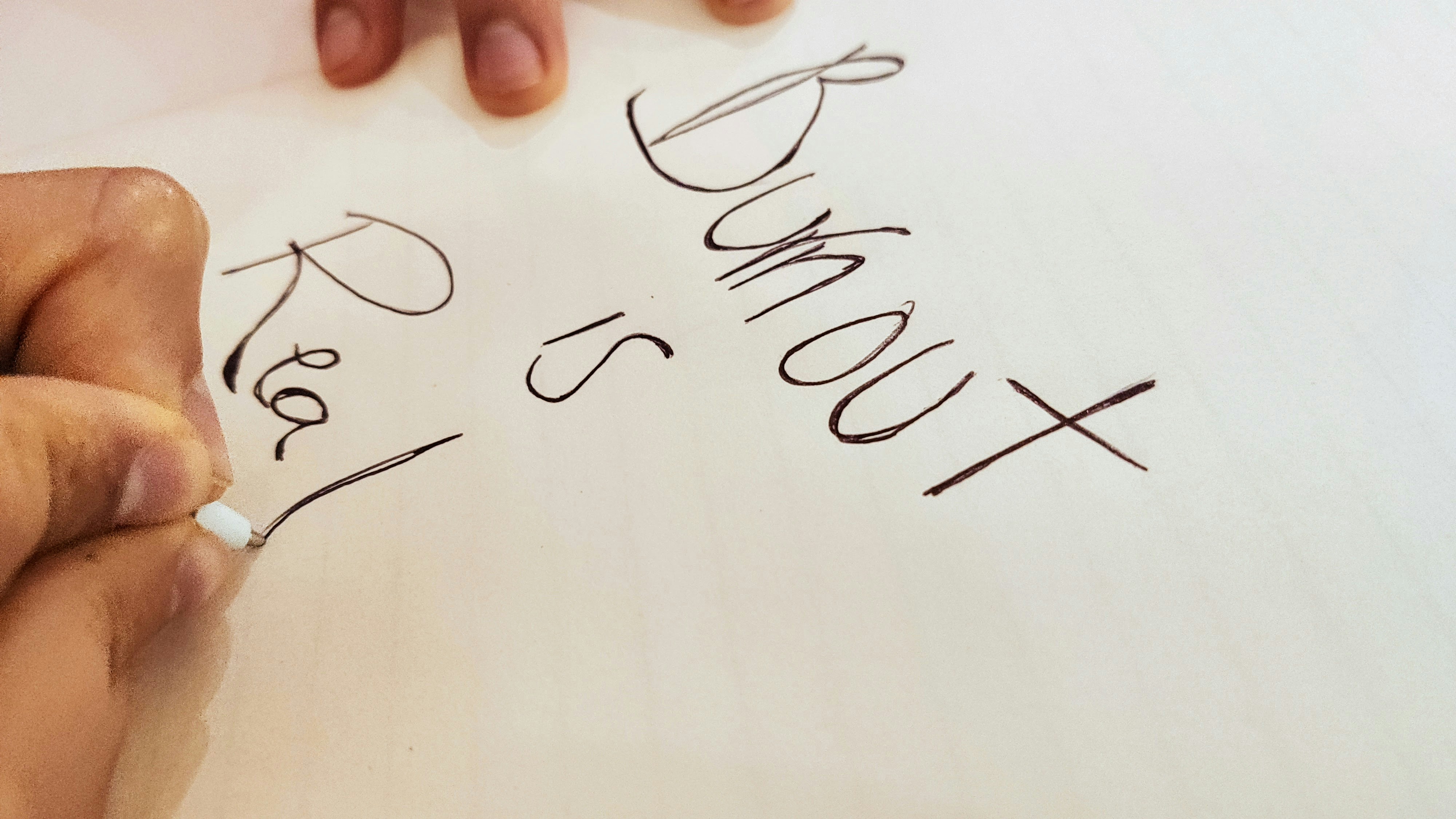
Introduction: The Illusion of a Busy Life
In today’s society, the concept of being busy is often glorified and equated with productivity and success. Individuals are frequently caught in the relentless pursuit of accomplishments, leading to a lifestyle that prioritizes constant activity over well-being. This fast-paced existence is fueled by societal expectations, which dictate that being busy is synonymous with being valuable. As a result, many individuals find themselves racing against time, adhering to an unspoken rule that their worth is tied to their achievements and productivity.
This unyielding pressure to perform can ultimately culminate in burnout, a state of emotional, physical, and mental exhaustion. The incessant need to fulfill obligations—whether personal, professional, or societal—creates a cycle that is difficult to escape. The hustle culture promotes an idea that one must always be “on” to remain relevant, fostering a sense of inadequacy when unable to meet these expectations. Consequently, individuals often overlook the importance of self-care and reflection in their lives. The rapid pace of life can overshadow the intimate connection to oneself, exposing an alarming trend where burnout becomes not just common, but almost expected.
However, it is essential to recognize that the narrative of being perpetually busy does not equate to fulfillment or happiness. The illusion of busyness can distort individual perspectives on success and lead to a disconnection from one’s values and desires. This section sets the stage for a personal journey of self-reflection and realization, emphasizing the need for a balanced approach to life that transcends mere activity. The road to understanding burnout is not solely about reassessing obligations but carving out time for meaningful engagements that restore one’s energy and passion.
The Symptoms of Burnout: Recognizing the Signs
Experiencing burnout can often lead to a state of overwhelming exhaustion, affecting both physical and mental well-being. The symptoms of burnout manifest in various ways, and recognizing these signs early is crucial for recovery. In my own journey, specific incidents illuminated the depth of my fatigue and discontent, signaling that I was trapped in a cycle of mere existence.
Physically, I noticed persistent symptoms such as chronic fatigue, disrupted sleep patterns, and frequent headaches. Simple tasks began to feel like monumental challenges, leaving me drained by the end of each day. For instance, I recall a day when even making a cup of coffee seemed exhausting—a mundane activity transformed into a herculean effort. My body communicated distress through its inability to keep pace with my demands, and I began to feel like a shadow of my former self.
Emotionally, the signs of burnout were equally profound. I faced unrelenting feelings of disappointment and disillusionment. Activities that once brought joy became sources of stress, leading to a pervasive sense of irritability. There were days when I felt like I was simply going through the motions, devoid of genuine engagement in life. One moment of clarity came during a particularly grueling week when I found myself uncharacteristically detached during a family gathering, realizing that I was physically present yet emotionally absent.
Recognizing these signs is essential in understanding the complexities of burnout. It is not merely a phase of exhaustion but a state that can lead to extensive physical and emotional distress if ignored. This journey taught me the importance of acknowledging these symptoms, prompting a much-needed reevaluation of my approach to life and work.
The Turning Point: A Moment of Clarity
It was a seemingly ordinary afternoon when I encountered a moment that would irrevocably alter the trajectory of my life. The weight of exhaustion had become a constant companion; I was deep in the throes of burnout. Balancing a demanding job, social obligations, and personal aspirations, I felt as if I was trapped in an unyielding cycle of productivity. However, this day proved to be different. I had just finished a long meeting filled with stress and deadlines when, out of nowhere, a minor incident sparked an unexpected realization.
A colleague accidentally spilled coffee on the table. While others expressed annoyance, I found myself captivated by the simplicity of the moment. People rushed to clean it up, their thoughts already leaping to the next item on the agenda. But I sat there, frozen in contemplation as the warm aroma enveloped me. In that instant, everything slowed down. I began to recognize the pattern of my life—how I had let urgency smother the beauty of simply being present. The sound of laughter from colleagues, the dance of sunlight through the windows, and the taste of coffee all slipped through my fingers while I chased what mattered less.
This unexpected moment of clarity ignited within me a newfound awareness of mindfulness. I felt vulnerable yet liberated, as I understood the importance of stepping back from my frenzied pace to observe the world around me. It was then that I embraced the necessity of intentionality in daily life; cultivating presence over preoccupation became an urgent priority. I learned to appreciate the nuances of each experience rather than glossing them over in pursuit of productivity. This turning point marked the beginning of my journey towards reclaiming my life from the clutches of burnout, allowing me to foster deeper connections with both myself and others.
Finding Balance: Lessons Learned and Moving Forward
To combat the effects of burnout and cultivate a more fulfilling life, it has become essential for me to prioritize balance in my daily routine. The journey through exhaustion taught me the value of integrating self-care into my life. Establishing boundaries around work and personal time is paramount to maintaining my well-being. This involves not just saying no to extra obligations, but also ascribing importance to my own needs and wellness.
An essential aspect of my plan is to embrace mindfulness practices. Mindfulness encourages a state of awareness that fosters appreciation for the present moment. I have started incorporating meditation and deep-breathing exercises into my daily routine. These practices help alleviate stress and stimulate a sense of calm, allowing me to engage with my surroundings fully. By grounding myself in the present, I am learning to appreciate the simple joys of life, rather than perpetually racing toward future achievements.
Furthermore, slowing down to enjoy life’s experiences has revealed a profound wisdom. I have learned to appreciate the significance of small moments that previously went unnoticed. Whether it is savoring a cup of tea, taking a leisurely walk, or spending quality time with family and friends, these moments contribute to a deeper sense of fulfillment. I aim to intentionally carve out time for such activities, making them a priority rather than an afterthought.
In looking ahead, balancing ambition with tranquility will be a central focus. Recognizing that pursuing personal goals does not necessitate constant urgency is liberating. By shifting my mindset and gradually implementing these practices, I am confident that I can move forward more gracefully, fostering not just success, but a well-rounded, enjoyable life that embraces each moment fully.